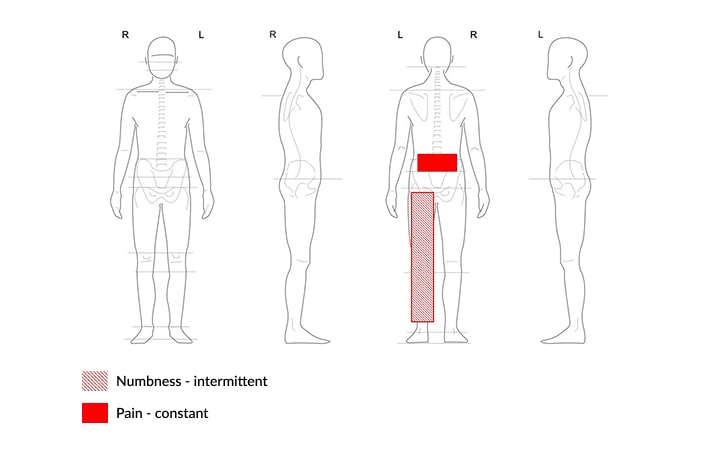
ITB (Iliotibial Band) Syndrome, often called “Runner’s Knee,” is a common overuse injury in athletes, especially runners. It occurs when the iliotibial band, a thick connective tissue running along the outside of the thigh, becomes tight or inflamed, causing pain on the outer side of the knee. This condition is typically triggered by repetitive movements and can result in sharp pain, discomfort, swelling, and reduced mobility.
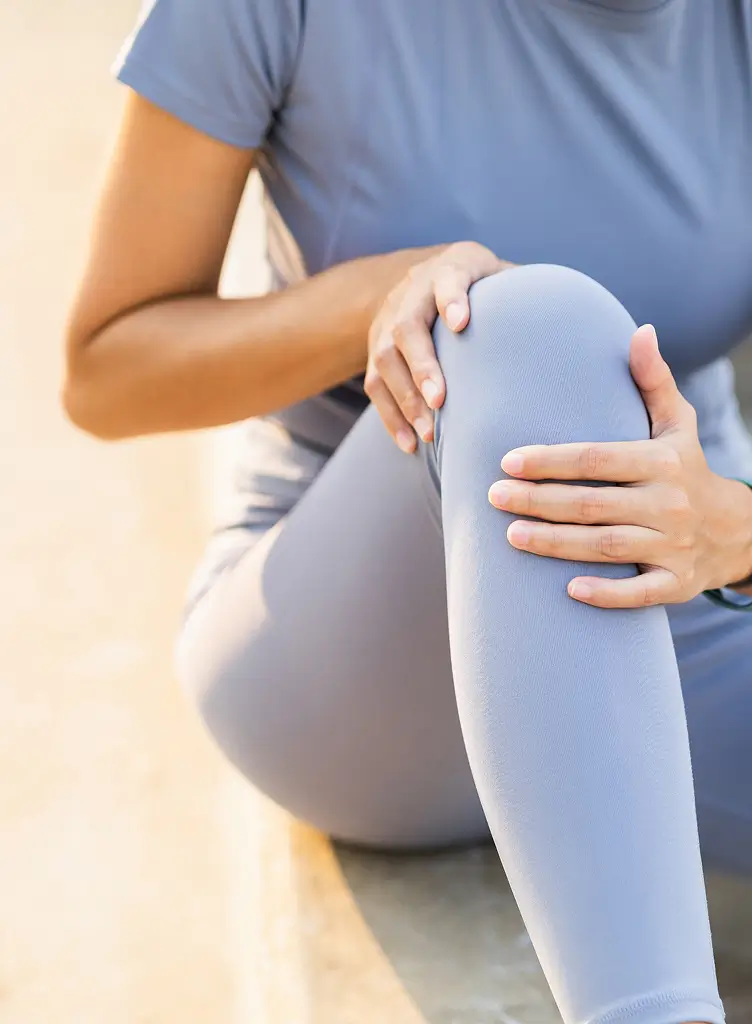
Common symptoms of ITB syndrome include:
ITB Syndrome can arise from various factors, including:
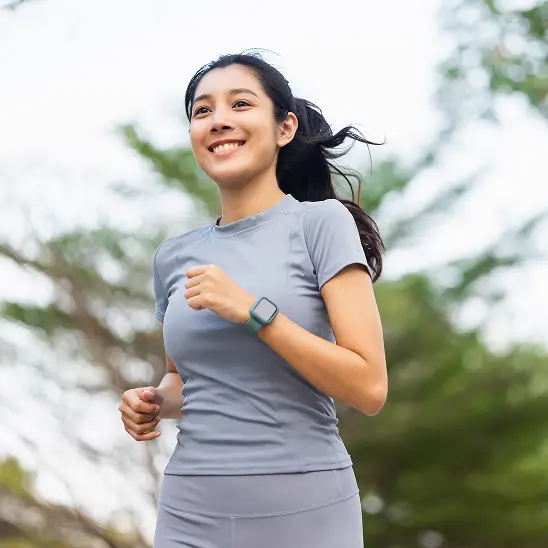
How does Pilates Plus Physiotherapy help address ITB Syndrome – “Runners Knee”?
Judith combines pilates and physiotherapy to help you recover, build strength, and improve flexibility.
Yes. Unlike other countries such as Australia, you are required to obtain a Dr’s referral letter to attend Physiotherapy sessions in Hong Kong.
Pilates Plus is a rehabilitation and conditioning technique which uses Pilates as a treatment method. It can be a valuable tool for runners dealing with knee pain by strengthening muscles, improving flexibility, promoting core stability, correcting imbalances, ensuring proper alignment, and providing a low impact way to exercise using correct movement patterns.
In the acute phase, treatment may need to be 2-3 times a week and will be focussed on decreasing inflammation, swelling and pain. This is better treated by a Sports Physiotherapist. When you are ready for Pilates Plus, treatment starts at 2 times a week for several weeks before decreasing to once a week and finally once every few weeks.
The number of Pilates sessions needed for runner’s knee can vary based on individual factors such as the severity of the condition, your overall fitness level, and how your body responds to the exercises. However, here are some general guidelines: it takes around 5 sessions for you to understand how to “find” your muscles and use them appropriately. Generally, clients are discharged from rehabilitation between 8-12 sessions.
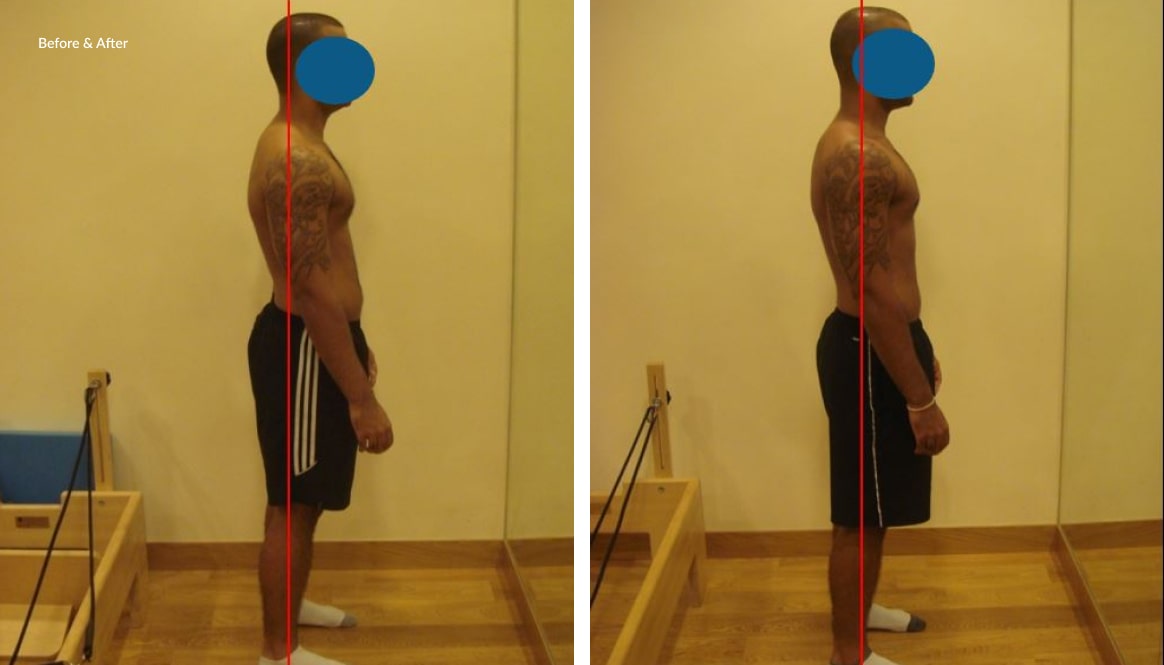
At the initial assessment the muscles which need to be stretched or strengthened will be identified and lower limb biomechanics will also be analysed via video and the issues explained.
The key focus will be on retraining the specific muscles that are inhibited or weak, ensuring they activate properly and at the right times. This means targeting your core, hips, knees, and ankles to restore healthy lower limb biomechanics and function.
The treatment plan will be multifaceted, combining targeted home exercises as well as work on the Pilates equipment in the clinic. The home exercises will include things like foam rolling and other self-release techniques for your ITB, along with stretching and strengthening drills.
Importantly, the exercises, both at home and in the clinic, will be carefully progressed over time. The goal is to gradually increase the challenge in a safe and controlled manner, replicating the actual functional movements involved in activities like walking and running. This stepwise approach allows your body to re-learn proper movement patterns.
Judith combines pilates and physiotherapy to help you recover, build strength, and improve flexibility.

9th Floor, 10 Pottinger Street, Central
Monday – Friday: 8am – 8pm Saturday: 8am – 5pm
Unit 1901, 19/F, Winway Building, 50 Wellington Street, Central, Hong Kong
Monday – Friday: 8am – 8pm Saturday: 8am – 5pm
Founded by Australian-trained Physiotherapist Judith Anne Gould in 2007. Pilates Plus is an assessment and treatment programme formulated using over 35 years of clinical experience.
If you’re dealing with any of the following injuries or conditions, Judith is here to support your recovery journey.
Osteoporosis & Osteopenia treatment
© 2025 Pilates Plus Asia. All rights reserved.
9th Floor, 10 Pottinger Street, Central
Monday – Friday: 8am – 8pm
Saturday: 8am – 5pm
Unit 1901, 19/F, Winway Building, 50 Wellington Street, Central, Hong Kong
Monday – Friday: 8am – 8pm
Saturday: 8am – 5pm
Founded by Australian-trained Physiotherapist Judith Anne Gould in 2007. Pilates Plus is an assessment and treatment programme formulated using over 35 years of clinical experience.
If you’re dealing with any of the following injuries or conditions, Judith is here to support your recovery journey.
© 2025 Pilates Plus Asia. All rights reserved.