
Lorem ipsum dolor sit amet consectetur. Nullam commodo malesuada egestas at massa. Sed in maecenas cras cursus dolor enim ut tellus mattis.
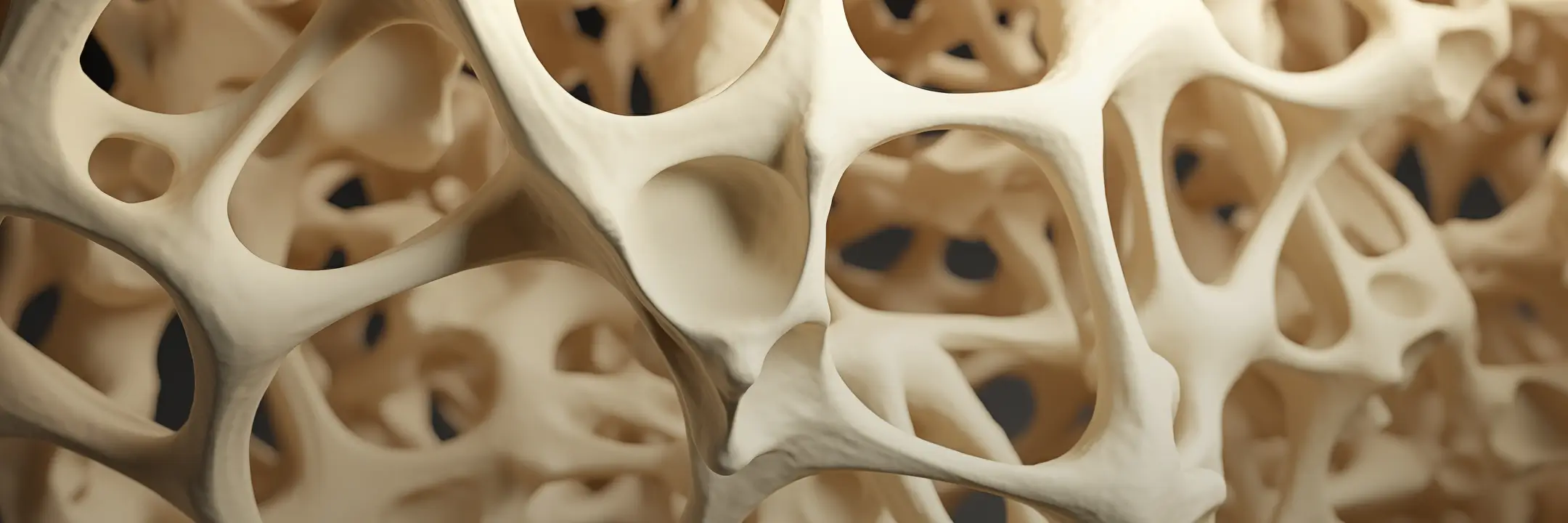
Osteoporosis is a condition that weakens your bones, but with the right measures, you can reduce the risk of fractures and maintain strong bone health.
This blog will break down the simple steps you can take to protect your bones — by focusing on what you can change and what you can’t.
While some factors are beyond your control, understanding them is key to knowing your osteoporosis risk.
A family history of osteoporosis or fractures can increase your likelihood of developing the condition. Genetics play a significant role in your bone density.
As we age, bone density naturally decreases. Women, particularly after menopause, are at higher risk due to hormonal changes that affect bone mass. Men are also at risk, but typically later in life.
Certain conditions (like rheumatoid arthritis or hyperthyroidism) and medications (such as long-term corticosteroid use) are known to increase the risk of osteoporosis. These are factors you cannot change but can manage with guidance from your Doctor.
These changes can have a significant impact on your bone health, and the best part is that you have full control over them!
Why It Matters:
Calcium is essential for strong bones, while vitamin D helps your body absorb calcium. A deficiency in either can weaken your bones.
How to Do It:
Incorporate calcium-rich foods like dairy, leafy greens, and fortified cereals. For vitamin D, aim for sun exposure for a minimum of 10 minutes a day or consider supplements.
Why It Matters:
Physical activity helps build and maintain bone density. Weight-bearing exercises like strength training help stimulate bone growth and strengthen muscles.
How to Do It:
Aim for 30 minutes of weight-bearing exercise most days of the week. Onero™ is a scientifically proven, effective high intensity resistance and impact training programme shown to improve bone density and muscle strength.
Why It Matters:
Being underweight can lead to a loss of bone mass, while being overweight can increase strain on bones and joints. Maintaining a healthy weight supports your bone health.
How to Do It:
Focus on a balanced diet with lean proteins, healthy fats, and plenty of fruits and vegetables. If you’re unsure about your ideal weight or confused about how to incorporate calcium into your diet, consult a nutritionist or dietician.
Why It Matters:
Smoking and excessive alcohol consumption are both detrimental to bone health. Smoking reduces bone-forming cells, and alcohol impairs calcium absorption.
How to Do It:
Quit smoking completely and limit alcohol to moderate levels (one drink per day for women, two for men). Seek help from specialists as these changes can greatly reduce your osteoporosis risk.
Why It Matters:
Taking an initial risk assessment can help you understand your bone health and identify early signs of osteoporosis, even before symptoms appear. This early awareness allows for timely intervention, and combining it with regular bone density tests helps you stay on top of your bone health and prevent fractures in the future.
How to Do It:
Get in touch with Judith about how to start your journey to better bones, especially if you’re at higher risk due to age, gender, or family history.
While some osteoporosis risk factors are beyond your control, there are many ways to protect your bones and reduce your risk. By focusing on what you can change — like diet, exercise, weight management, and avoiding harmful habits — you can take proactive steps to maintain strong bones for years to come.
If you’re unsure about your osteoporosis risk, take just 1 minute to complete the IOF Osteoporosis Risk Check on our website. It’s quick, easy, and will give you a better understanding of where you stand.
If you’re ready to take the next step, book an initial assessment with Judith to review your health and understand your bone health risks. As an accredited Onero™ Practitioner, Judith will guide you through the award-winning, evidence-based program, Onero™ designed to improve bone health, reduce fall risk and prevent fractures.

9th Floor, 10 Pottinger Street, Central
Monday – Friday: 8am – 8pm Saturday: 8am – 5pm
Unit 1901, 19/F, Winway Building, 50 Wellington Street, Central, Hong Kong
Monday – Friday: 8am – 8pm Saturday: 8am – 5pm
Founded by Australian-trained Physiotherapist Judith Anne Gould in 2007. Pilates Plus is an assessment and treatment programme formulated using over 35 years of clinical experience.
If you’re dealing with any of the following injuries or conditions, Judith is here to support your recovery journey.
Osteoporosis & Osteopenia treatment
© 2025 Pilates Plus Asia. All rights reserved.
9th Floor, 10 Pottinger Street, Central
Monday – Friday: 8am – 8pm
Saturday: 8am – 5pm
Unit 1901, 19/F, Winway Building, 50 Wellington Street, Central, Hong Kong
Monday – Friday: 8am – 8pm
Saturday: 8am – 5pm
Founded by Australian-trained Physiotherapist Judith Anne Gould in 2007. Pilates Plus is an assessment and treatment programme formulated using over 35 years of clinical experience.
If you’re dealing with any of the following injuries or conditions, Judith is here to support your recovery journey.
© 2025 Pilates Plus Asia. All rights reserved.