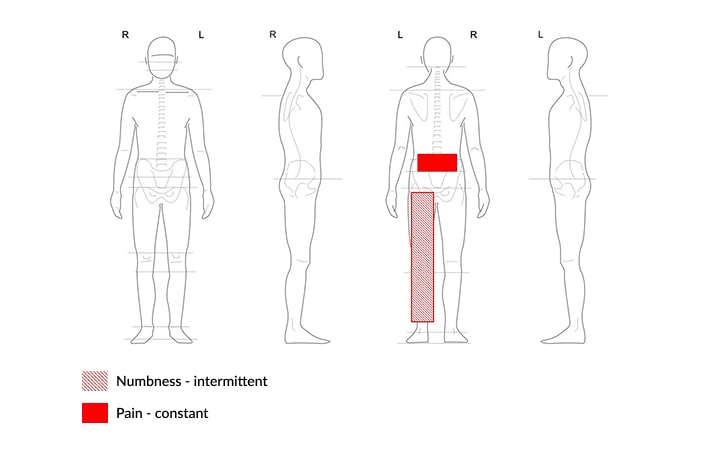
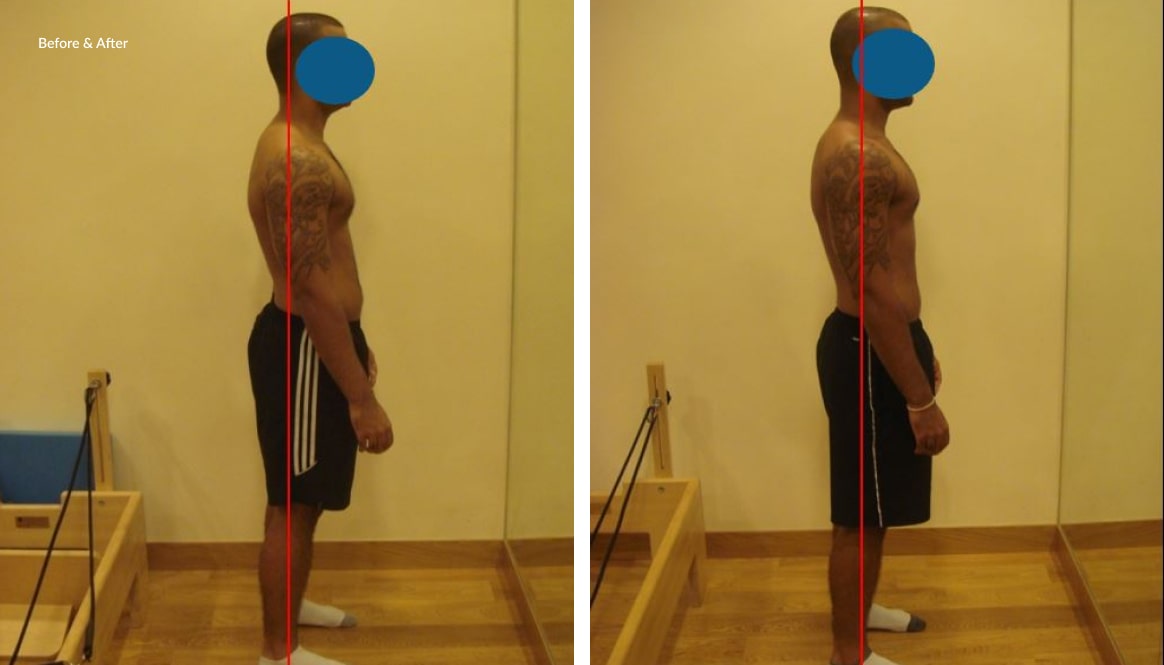
Injury rehabilitation with Pilates Plus Physiotherapy combines Pilates exercises with physiotherapy techniques to improve strength, flexibility, and posture. It helps recovery from injuries by promoting proper alignment, reducing pain, and preventing future issues.
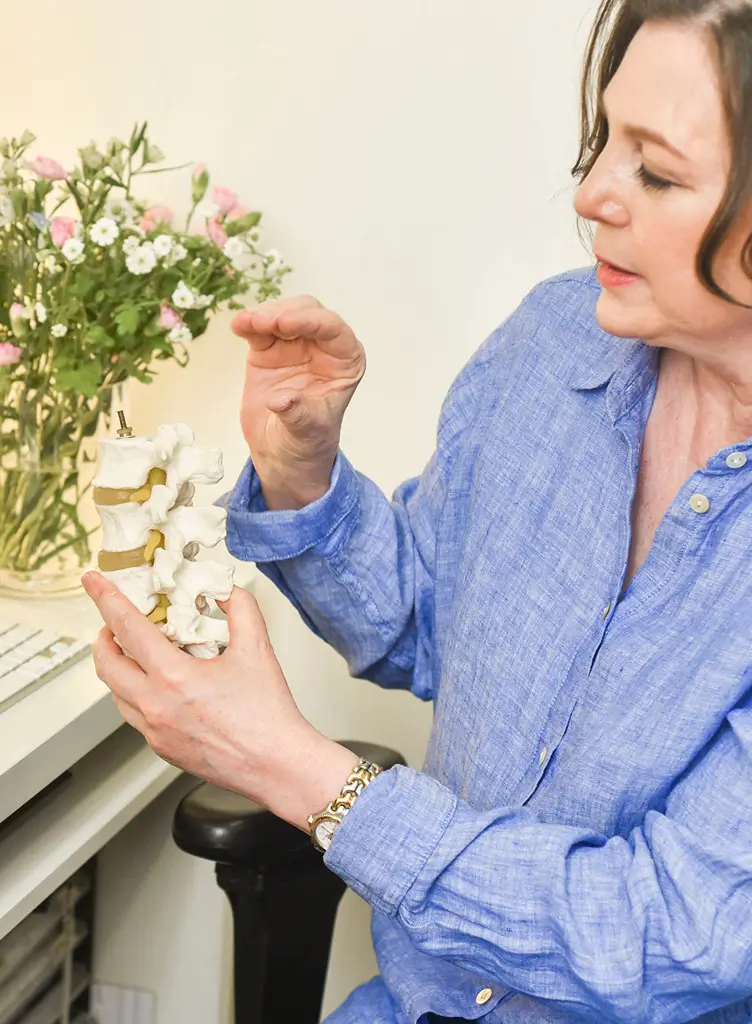
Common conditions include:
Addressing these issues with the help of Pilates Plus can significantly improve rehabilitation outcomes.
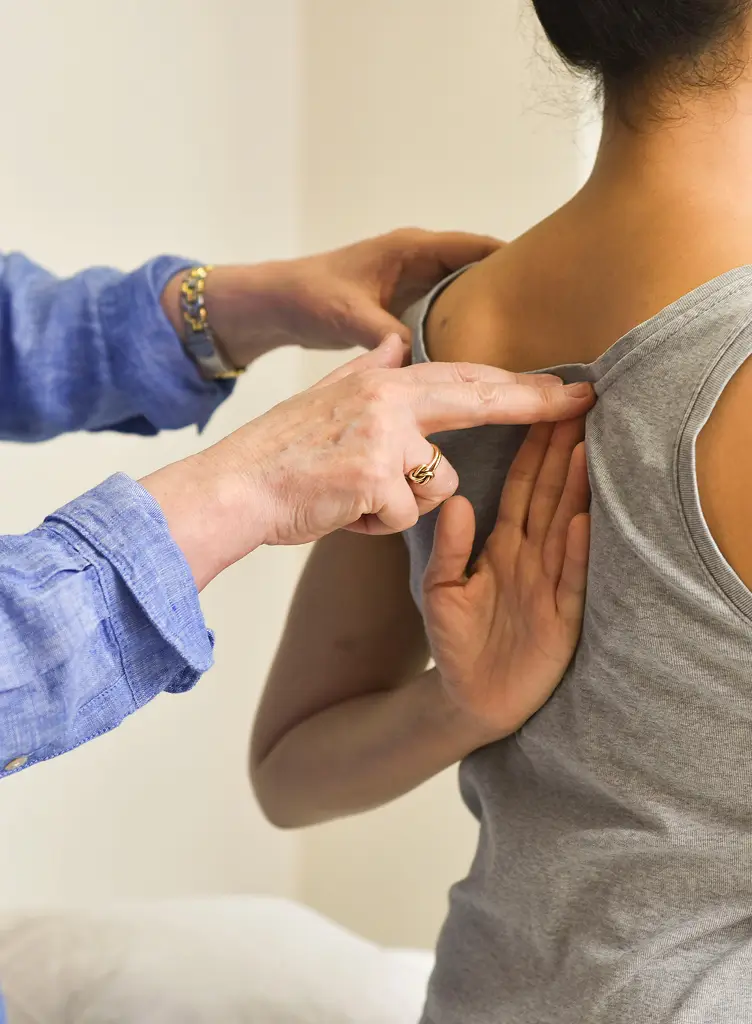
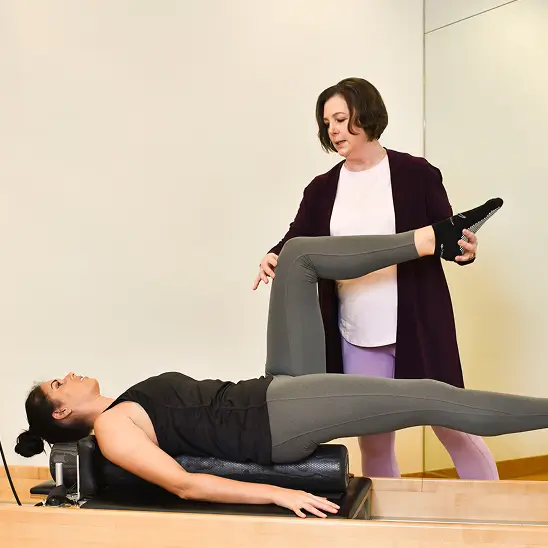
How does Pilates Plus Physiotherapy help address Injury Rehabilitation?
Judith combines pilates and physiotherapy to help you recover, build strength, and improve flexibility.
Yes. Unlike other countries such as Australia, you are required to obtain a Dr’s referral letter to attend Physiotherapy sessions in Hong Kong.
The timing for starting Pilates Plus Physiotherapy after an injury can vary based on the severity and type of injury. For mild injuries, you may be able to begin gentle Pilates exercises within a few days, focusing on stability. However, for more severe injuries, it is advisable to wait until you have the pain under control and mobility is not too restricted.
Yes! Pilates Plus Physiotherapy is a safe and effective treatment during the injury recovery process. It provides a rehabilitation exercise programme tailored to the individual’s specific condition and needs. The method emphasizes stability, controlled movements, core strength, and flexibility and is progressed according to the clients progress.
The duration of an injury rehabilitation program with Pilates Plus Physiotherapy can vary widely depending on several factors, including the type and severity of the injury, the individual’s overall health, and their adherence to the program. Generally, after 5 sessions the client will understand how to activate muscles and move with less dysfunction. At around the 8th session photos and videos are retaken and any changes to the programme are made. Generally it takes between 8-12 sessions. Consistency and commitment to the exercises are key to achieving the best results in a timely manner.
Yes! Pilates Plus can help prevent future injuries by enhancing core strength, flexibility, and overall body awareness. The focus on controlled movements and proper alignment during Pilates Plus exercises improves muscle stability and coordination, which can reduce the risk of injuries. Additionally, by addressing muscle imbalances and promoting functional movement patterns, Pilates Plus can help you develop a resilient body capable of handling physical stress more effectively. Regular practice can contribute to better overall physical fitness, further minimizing the likelihood of future injuries.
Pilates Plus can be effectively combined with other rehabilitation treatments. Integrating modalities such as manual therapy, massage, or traditional physiotherapy can enhance recovery by addressing different aspects of an injury. Collaboration with other healthcare providers and personal trainers ensures a cohesive treatment plan tailored to the individual’s needs, promoting a more comprehensive recovery process. Posture Plus aims to create a coordinated rehabilitation strategy for every individual client.
Judith combines pilates and physiotherapy to help you recover, build strength, and improve flexibility.

9th Floor, 10 Pottinger Street, Central
Monday – Friday: 8am – 8pm Saturday: 8am – 5pm
Unit 1901, 19/F, Winway Building, 50 Wellington Street, Central, Hong Kong
Monday – Friday: 8am – 8pm Saturday: 8am – 5pm
Founded by Australian-trained Physiotherapist Judith Anne Gould in 2007. Pilates Plus is an assessment and treatment programme formulated using over 35 years of clinical experience.
If you’re dealing with any of the following injuries or conditions, Judith is here to support your recovery journey.
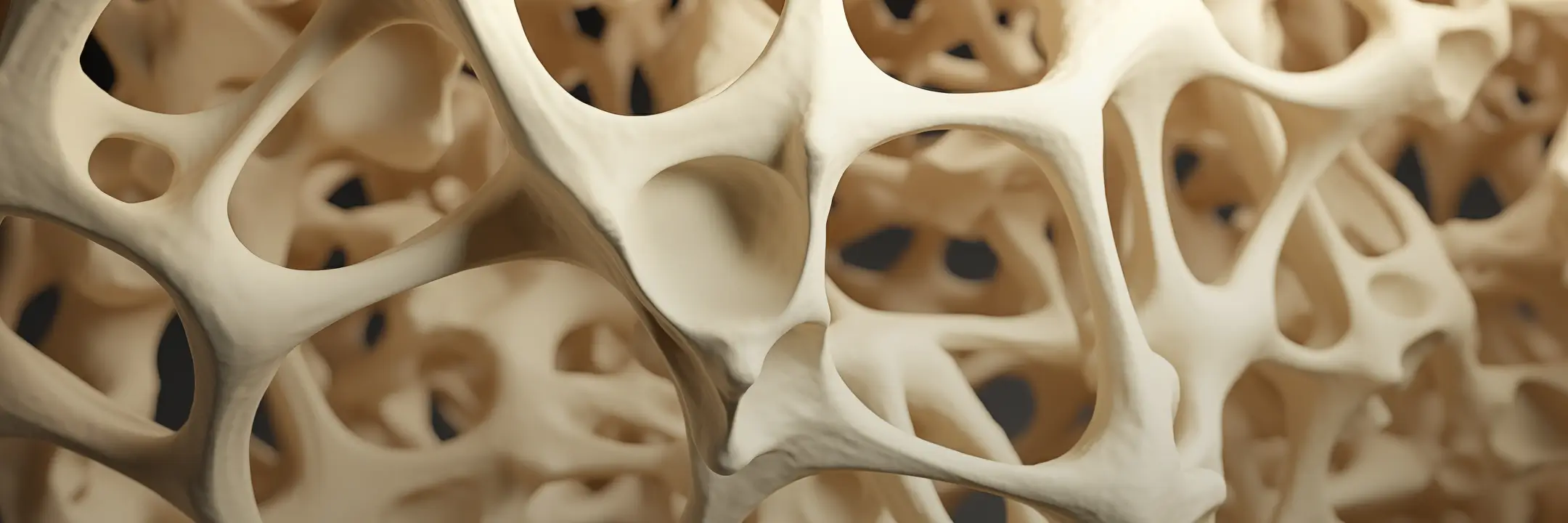
Osteoporosis & Osteopenia treatment
© 2025 Pilates Plus Asia. All rights reserved.
9th Floor, 10 Pottinger Street, Central
Monday – Friday: 8am – 8pm
Saturday: 8am – 5pm
Unit 1901, 19/F, Winway Building, 50 Wellington Street, Central, Hong Kong
Monday – Friday: 8am – 8pm
Saturday: 8am – 5pm
Founded by Australian-trained Physiotherapist Judith Anne Gould in 2007. Pilates Plus is an assessment and treatment programme formulated using over 35 years of clinical experience.
If you’re dealing with any of the following injuries or conditions, Judith is here to support your recovery journey.
© 2025 Pilates Plus Asia. All rights reserved.