
Lorem ipsum dolor sit amet consectetur. Nullam commodo malesuada egestas at massa. Sed in maecenas cras cursus dolor enim ut tellus mattis.
Osteoporosis is often referred to as a “silent disease” because it typically progresses without symptoms, silently weakening bones until a fracture occurs. Understanding what osteoporosis is, how it affects the body, and the importance of early prevention is crucial for long-term bone health.
Osteoporosis is a condition that causes bones to become weak and brittle. It happens when the body either loses too much bone mass or doesn’t produce enough to replace what’s lost. This imbalance causes the bones to become porous and fragile, making them more likely to break.
Bone is living tissue, constantly being broken down and rebuilt. As you age, this balance begins to shift, and your body loses bone more quickly than it can regenerate it. Osteoporosis occurs when the rate of bone breakdown outweighs the body’s ability to form new bone. When bones lose their density, they are more vulnerable to fractures, particularly in areas like the spine, hips, and wrists.
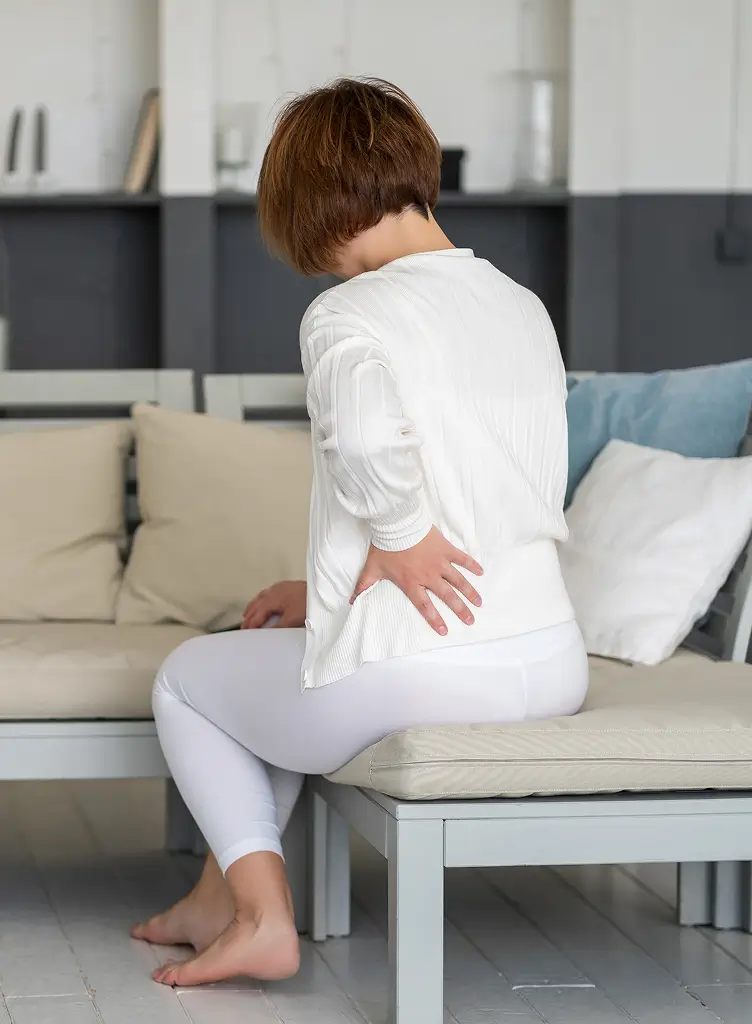
Osteoporosis develops without symptoms, meaning that people may have no idea they are at risk. The bones weaken gradually over time, and the first indication is often a fracture from a minor fall or injury. This makes osteoporosis particularly dangerous, as it may go undetected for years.
Several factors increase the risk of developing osteoporosis, including age, gender, genetics, diet, and lifestyle. Women, especially those post-menopause, are at a higher risk due to hormonal changes that affect bone density. Men can also develop osteoporosis, although it typically occurs later in life.
While osteoporosis is a progressive condition, it is treatable and manageable with lifestyle changes and medical treatment. The key strategies for preventing osteoporosis include maintaining a healthy diet rich in calcium and vitamin D, engaging in regular weight-bearing and strength-training exercises, and avoiding smoking and excessive alcohol consumption. Early detection through bone density testing is essential for people at higher risk.
Osteoporosis might be a silent disease, but that doesn’t mean it has to sneak up on you. By understanding your risk factors and taking proactive steps, you can protect your bones and maintain your quality of life.
If you’re unsure about your osteoporosis risk, take just 1 minute to complete the IOF Osteoporosis Risk Check on our website. It’s quick, easy, and will give you a better understanding of where you stand.
If you’re ready to take the next step, book an initial assessment with Judith to review your health and understand your bone health risks. As an accredited Onero™ Practitioner, Judith will guide you through the award-winning, evidence-based program, Onero™ designed to

9th Floor, 10 Pottinger Street, Central
Monday – Friday: 8am – 8pm Saturday: 8am – 5pm
Unit 1901, 19/F, Winway Building, 50 Wellington Street, Central, Hong Kong
Monday – Friday: 8am – 8pm Saturday: 8am – 5pm
Founded by Australian-trained Physiotherapist Judith Anne Gould in 2007. Pilates Plus is an assessment and treatment programme formulated using over 35 years of clinical experience.
If you’re dealing with any of the following injuries or conditions, Judith is here to support your recovery journey.
Osteoporosis & Osteopenia treatment
© 2025 Pilates Plus Asia. All rights reserved.
9th Floor, 10 Pottinger Street, Central
Monday – Friday: 8am – 8pm
Saturday: 8am – 5pm
Unit 1901, 19/F, Winway Building, 50 Wellington Street, Central, Hong Kong
Monday – Friday: 8am – 8pm
Saturday: 8am – 5pm
Founded by Australian-trained Physiotherapist Judith Anne Gould in 2007. Pilates Plus is an assessment and treatment programme formulated using over 35 years of clinical experience.
If you’re dealing with any of the following injuries or conditions, Judith is here to support your recovery journey.
© 2025 Pilates Plus Asia. All rights reserved.